
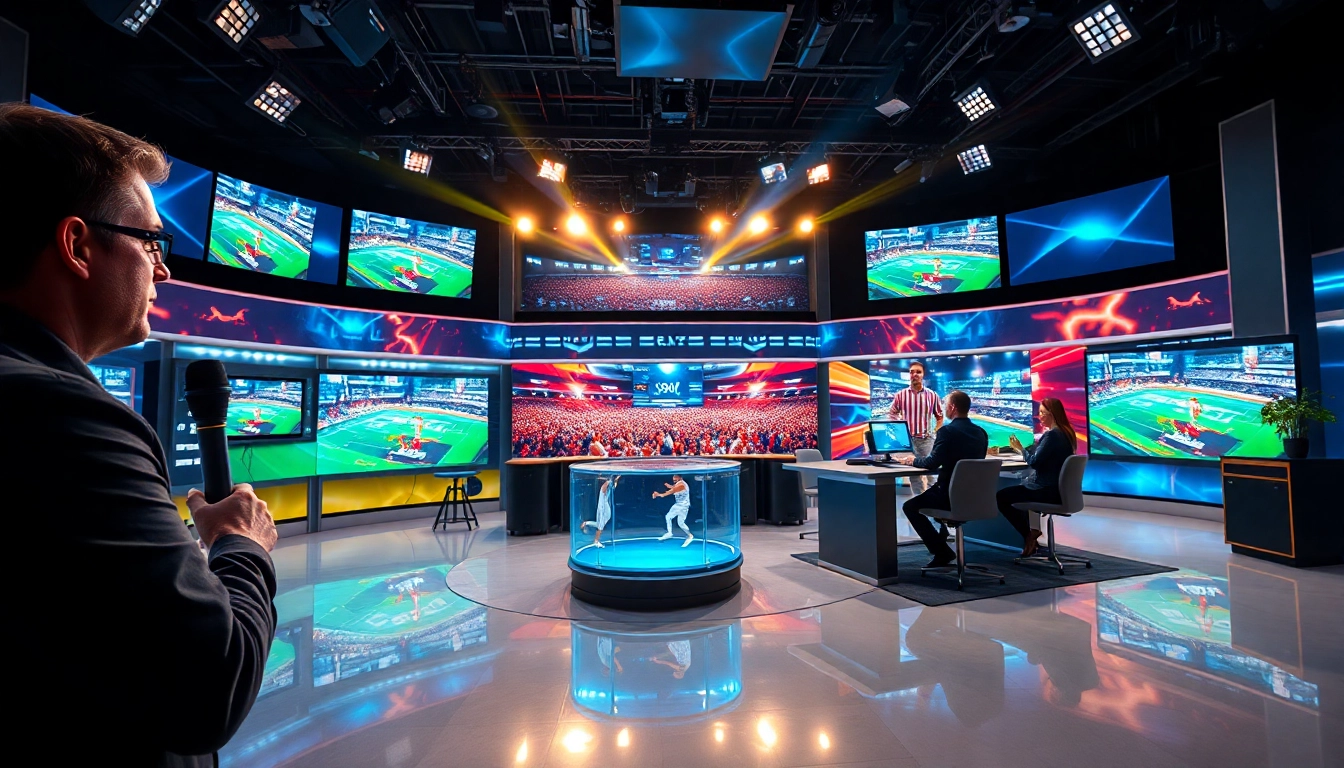
Understanding Sports Broadcasting
Sports broadcasting has evolved into a powerful medium that connects fans, athletes, and leagues, shaping the way we consume sports. From live radio and television broadcasts in the early 20th century to today's advanced digital streaming platforms, sports broadcasting has transformed the viewing experience into an interactive spectacle. This change has been significant in merging various technologies and offering fans a more personalized and cohesive experience with their favorite teams and athletes. Furthermore, the role of Sports Broadcasting in today's society plays a critical part in not only entertainment but also community engagement, economic growth, and cultural exchange.
The Role of Sports Broadcasting in Society
Sports broadcasting serves multifaceted roles in society, acting as a segment of the global media landscape that influences public perceptions and cultural norms. At its core, it is a platform for storytelling, allowing athletes to share their journeys and challenges, thus inspiring viewers.
Additionally, sports broadcasting has socioeconomic impacts, creating jobs and contributing to local businesses and economies. It fosters a sense of community through shared experiences, bridging social divides as people gather to watch events together. This communal experience reinforces cultural identities, as fans rally behind local teams or national athletes during major competitions.
Key Components of Effective Sports Broadcasting
Effective sports broadcasting hinges on several key components: content production, timely information delivery, and audience engagement. High-quality production helps create an immersive experience that captures the excitement of live events. Real-time statistics and updates are crucial, providing viewers with context and enhancing their understanding of the game.
Furthermore, audience engagement plays a vital role in keeping viewers interested. Engaging interviews with players, behind-the-scenes segments, and interactive social media elements help foster a deeper connection between fans and the sport. Broadcasters must balance entertainment with journalistic integrity to maintain credibility while engaging diverse audiences.
Historical Evolution of Sports Broadcasting
The journey of sports broadcasting began in the 1920s with radio broadcasts of boxing matches and baseball games, paving the way for gradual advancements that followed. The introduction of televised sports in the 1940s revolutionized how audiences consumed sporting events, allowing for a closer and more intimate viewing experience.
The evolution continued with satellite television in the 1980s, providing wider access to live sports, and later the advent of the internet which led to streaming services. Today, sports broadcasting utilizes multiple platforms, including traditional cable networks and online streaming services, allowing fans to consume content on various devices, efficiently adapting to their preferences.
Essential Skills for Sports Broadcasters
Communication Skills in Sports Broadcasting
Effective communication is the cornerstone of sports broadcasting. Broadcasters must articulate complex play-by-play commentary clearly while engaging an audience that may have varying degrees of understanding about the sport. Mastery of language, tone, and pacing is essential to convey not just facts but also excitement and drama.
Furthermore, non-verbal communication, such as expression and body language, plays a significant role in engaging audiences. Effective broadcasters know how to infuse passion into their voice, creating a sense of connectivity with viewers that enhances their experience.
Research and Analysis Techniques
Conducting thorough research and analysis is vital for sports broadcasters. They must stay informed on current team statistics, player history, and rule changes, allowing them to provide meaningful insights during broadcasts. Deep dives into game strategies, team dynamics, and player profiles empower broadcasters to enrich conversations and engage with dedicated fans.
Moreover, the use of analytics tools helps broadcasters deliver data-backed insights, making their commentary more reliable and informative. By interpreting statistics and trends, broadcasters build credibility and trust with their audience, encouraging ongoing engagement.
Adapting to Different Sports Genres
Broadcasters often have to switch between various sports, each with its unique nuances, rules, and cultures. Adaptability becomes crucial, as it ensures that the broadcaster can provide relevant and accurate information regardless of the sport being presented. Deep knowledge of diverse sports allows broadcasters to tailor their approach, maintaining engagement and relevance with a varied audience.
Moreover, understanding the pacing differences in sports—such as the continuous action in basketball versus the strategic breaks in football—enables broadcasters to adjust their commentary style, ensuring that it matches the natural rhythm of the game.
Technological Innovations in Sports Broadcasting
Live Streaming and Its Impact
The rise of live streaming has significantly influenced how fans consume sports. Viewers can now watch their favorite games on a variety of devices without being tethered to traditional broadcasting schedules. This flexibility caters to a mobile lifestyle, ensuring fans can engage with content anytime, anywhere.
Furthermore, platforms like Twitch and YouTube allow for niche sports to gain visibility, democratizing sports broadcasting. Gamers and alternative sports have found audiences through live streaming, showcasing rising talent outside mainstream media channels. Finally, streaming fosters interactive experiences, enabling audiences to engage through chats, polls, and real-time commentary.
Advanced Broadcasting Equipment
Advancements in technology have transformed sports broadcasting equipment, significantly enhancing viewer experiences. Modern cameras, drones, and high-definition video have made broadcasts more dynamic and captivating. Viewers can experience multiple angles of a single play, adding layers to their understanding and enjoyment of the game.
Moreover, the integration of augmented reality (AR) and virtual reality (VR) into broadcasting has opened new storytelling possibilities, allowing fans to feel like they are part of the action. These innovations can create new advertising opportunities, adding value to broadcast partnerships and sponsorships while enhancing overall engagement.
The Future of Virtual and Augmented Reality in Sports
The future of sports broadcasting lies in virtual and augmented reality experiences that can create immersive viewing opportunities. Imagine placing fans in the front row of any game without leaving their homes. Through VR headsets, they can witness plays unfold from players’ perspectives, enriching the viewer experience.
AR can enhance game analysis by overlaying player stats or providing play trajectories on screen, guiding viewers through complex plays live. As these technologies mature, they promise to redefine the landscape of sports consumption, fundamentally altering the interaction between fans, players, and games.
Best Practices for Engaging Audiences
Building an On-Air Personality
Creating a memorable on-air personality is vital for maintaining audience interest. A successful broadcaster must connect with viewers through authenticity, charisma, and approachability. Drawing on personal experiences and insights allows them to share relatable anecdotes, fostering a deeper connection with the audience.
Moreover, maintaining a conversational tone while exhibiting knowledge creates a balanced dynamic that resonates with viewers. Broadcasters must also be willing to adapt their personality to match different sports cultures while remaining true to themselves, enhancing their relatability and effectiveness.
Utilizing Social Media for Sports Broadcasting
Social media has become an essential tool for broadcasters looking to expand their reach and engage audiences. Maintaining active social media profiles allows broadcasters to share real-time updates, behind-the-scenes content, and engage in dialogue with fans. By fostering a community around their broadcasts, they can create a more invested audience.
Furthermore, employing user-generated content encourages community interaction and nurtures loyalty. Broadcasters can leverage fan content by sharing highlights, reactions, or insights, thereby transforming spectators into active participants.
Analytics for Understanding Audience Preferences
Understanding audience preferences through analytics is increasingly crucial in today’s competitive broadcasting environment. By analyzing viewership data, broadcasters can tailor content, marketing efforts, and broadcast strategies to meet viewer satisfaction and demand.
Utilizing tools to track engagement metrics and reactions provides invaluable insights into what resonates with audiences. By embracing a data-driven approach, broadcasters can continually refine their strategies and campaigns, ensuring they stay relevant and appealing to evolving viewer expectations.
Evaluating Success in Sports Broadcasting
Key Performance Indicators for Broadcasters
To gauge the effectiveness of sports broadcasting, identifying and analyzing key performance indicators (KPIs) is essential. Metrics like viewer ratings, engagement rates on social media, and audience retention are critical in understanding broadcast performance.
Other KPIs, such as ad revenue and sponsorship engagement, offer insights into the financial success of broadcasts. By regularly reviewing these metrics, broadcasters can refine strategies, boost fan interest, and improve overall performance.
Feedback and Continuous Improvement Strategies
Feedback from audiences is invaluable for broadcasters aiming for continuous improvement. Implementing direct feedback mechanisms—such as surveys and social media engagement—empowers viewers to provide insights into what they enjoy or want to see improved.
Integrating feedback allows broadcasters to adapt content and delivery styles dynamically. Emphasizing a culture of continuous learning and adaptation ensures the broadcaster remains relevant and competitive, fostering long-term viewer loyalty and satisfaction.
Case Studies of Successful Sports Broadcasts
Analyzing successful sports broadcasts can offer meaningful insights into best practices and innovative strategies. For instance, broadcasts incorporating fan interaction through live polling or gamification have shown significant increases in viewer engagement. These successful implementations highlight the importance of adapting broadcasts to current trends and viewer expectations.
Other case studies showcase the benefits of sponsoring local sports events or collaborating with regional teams to build community ties, drawing local audiences to their broadcasts. Evaluating and learning from such examples can enable broadcasters to craft their own success stories — enhancing the overall experience for their viewers.
Frequently Asked Questions
What is sports broadcasting?
Sports broadcasting involves delivering live sports events, commentary, and news through various media platforms, including television, radio, and streaming services.
What skills are essential for a sports broadcaster?
Essential skills for sports broadcasters include effective communication, research and analysis, adaptability to various sports, and engaging personality traits.
How has technology affected sports broadcasting?
Technology has revolutionized sports broadcasting by introducing live streaming, high-definition visuals, and interactive platforms, enhancing viewer engagement significantly.
What role does audience engagement play in broadcasting?
Audience engagement plays a crucial role in broadcasting as it helps sustain viewership, creates a community around sports, and encourages viewers to actively participate.
How can broadcasters measure their success?
Broadcasters can measure success through viewer metrics, audience engagement analysis, feedback mechanisms, and monitoring key performance indicators to assess effectiveness.